Discover.
Entertain. Live. Asorock
Nigeria Monthly Festival Events - September 2026
Royal heritage, Lagos street energy, Abuja food and family culture, and the first big signals of October’s creative-season rush.
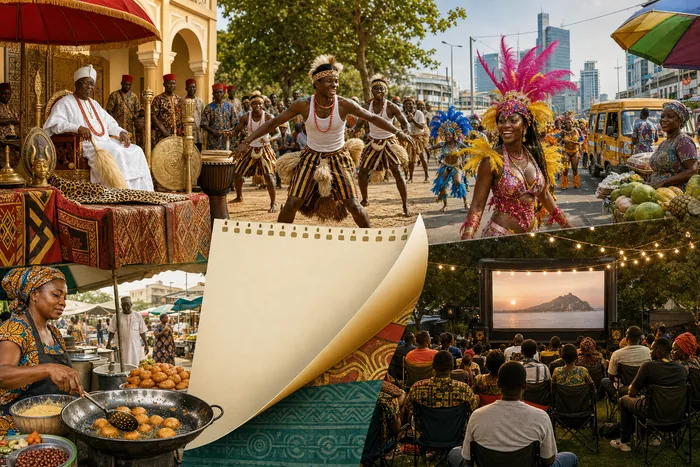
September is doing that classic Nigerian calendar thing: one leg in harvest-season and palace-linked heritage, the other already stepping into Q4 concerts, fashion, film and city festivals. This month’s strongest confirmed culture map runs through Owo, Ile-Ife, Yewaland, Lagos and Abuja, with big October markers already visible in Port Harcourt, Onitsha, Lagos and the FCT.
The month’s mood is heritage-forward but not old-fashioned: Igogo and Olojo carry deep royal and religious-cultural weight in the South West, while Lagos brings carnival, horse racing and public Nollywood spectacle, and Abuja adds children’s culture, food heritage and visual art. The regional spread is still uneven, with stronger September documentation in the South West and FCT than in the North, Middle Belt and South East, but October starts to rebalance the map through Onitsha Ofala and Abuja International Film Festival.
Key Takeaways
- September’s headline heritage moments are Igogo in Owo and Olojo in Ile-Ife, both requiring respectful attention to palace, sacred and community protocols.
- Lagos is busy beyond nightlife: Victoria Island Carnival, Lagos Grand Horse Race and the Black Market public premiere all show how the city turns streets, stadiums and civic spaces into culture stages.
- Abuja’s September calendar is family- and food-friendly, with children’s creative culture, akara heritage and late-month art programming.
- October planning should start now: Independence Day falls on Thursday, 1 October 2026, and early October already has Port Harcourt, Onitsha, Lagos and Abuja culture dates to watch.
- Several events have confirmed dates but incomplete public-access details, so readers should check official channels close to attendance.
The Big Picture
September 2026 is strongest online in the South West and FCT: Ondo, Osun, Ogun and Lagos lead the current-month list, while Abuja supplies food, arts and children’s culture. South South and South East visibility improves in the October lookahead through Port Harcourt’s Vibe Naija and Onitsha Ofala. No major federal religious public holiday sits inside September in the checked holiday sources; the next national holiday is Independence Anniversary on 1 October. As always with palace, sacred, children’s and large public events, dates are only one part of the story: access, protocol, security and final schedules still matter.
Top Festivals And Cultural Events
Owo’s Igogo carries September’s royal-heritage heartbeat
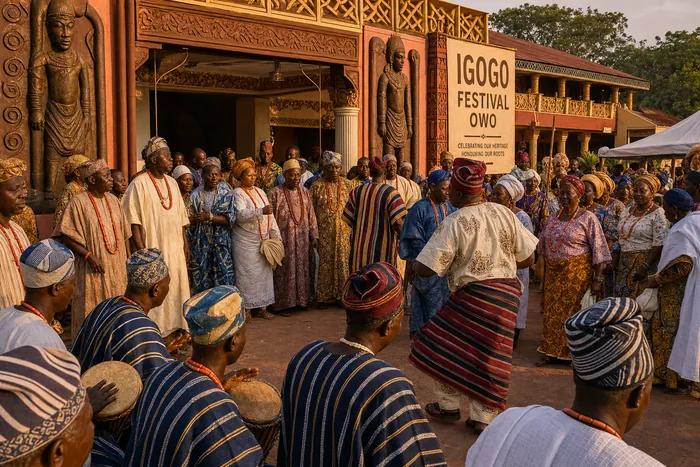
Igogo leads the month because it runs deep into September and brings together Owo Kingdom history, palace-linked observances, women’s ceremonies, games, pageantry and community life.
The official 2026 timetable runs from 30 August to 26 September, with key September ceremonies continuing from 11 September through the closing stretch of the festival.
Igogo is associated with Queen Oronsen and Owo royal heritage, and the festival’s public framing as a centuries-old “Festival of Love” points to memory, kinship, loyalty and continuity rather than spectacle alone.
Igogo should be approached as a living Owo Kingdom institution with palace, family and community layers. Not every rite should be assumed to be open to visitors or cameras.
The public programme is detailed by date, but visitors should confirm locally which observances are open and what photography or recording rules apply.
What To Watch
- Final reminders from festival organisers or Owo community channels
- Which ceremonies are public and which are restricted
- Local traffic, palace-area access and crowd guidance
- Photography and recording expectations around ceremonial moments
Ile-Ife enters Olojo season with sacred weight and public culture
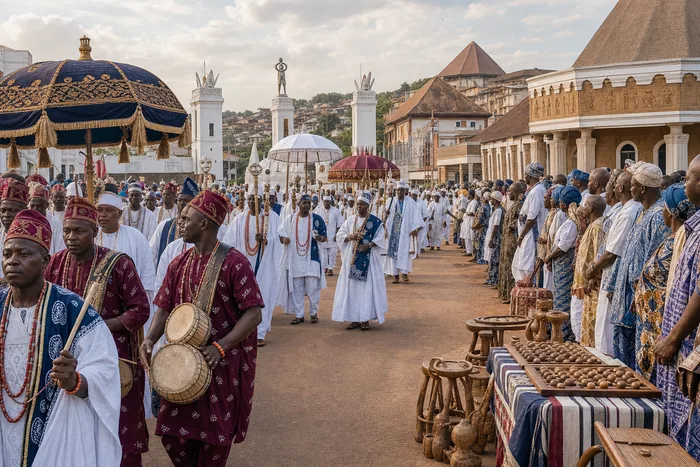
Olojo is one of September’s most important Yoruba heritage moments, combining royal, spiritual and civic meanings in Ile-Ife.
A local report says the 2026 programme runs 16–28 September, with central traditional activities reported for 26 September. Another associated source gives a broader 26 September–5 October layer, so readers should treat Olojo as a festival season with programme parts still needing final confirmation from primary channels.
Olojo sits close to Ile-Ife’s sacred and royal imagination, with the Ooni of Ife, public processions, games, cultural exhibitions and pilgrimage-linked observances forming part of the reported programme.
Olojo is not simply a tourist procession. It carries sacred, royal and community significance, so language around regalia, rites, pilgrimage and palace observance should remain respectful and precise.
Reported activities include colloquium, cultural procession, Ayo Olopon competition, community cleansing, fashion exhibition, official cultural ceremony, Okemogun pilgrimage, reception and ancestral-home procession; venue-by-venue access should be checked close to the dates.
What To Watch
- Primary palace or festival schedule confirmation
- Final date range for public-facing activities
- Security routes and crowd-control guidance in Ile-Ife
- Photography protocols around sacred or palace-linked rites
A maiden Lagos carnival turns VI into a public culture route
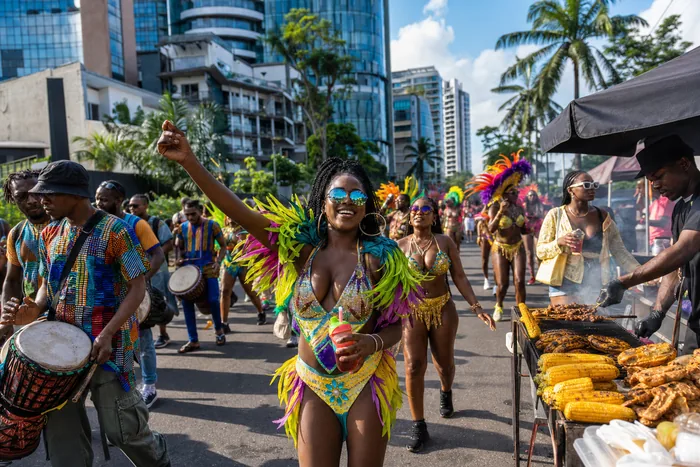
Victoria Island Carnival brings Lagos’s city-facing energy into the edition, with a week of carnival village activity, street party programming and a parade/finale concept.
The official site lists 14–20 September 2026. Media reports and Lagos Television coverage support the schedule, though some reports emphasise 14–18 September for Carnival Village activities.
The event is a Lagos urban-culture platform rather than a traditional palace festival, tying music, fashion, food, vendors, art and youth-facing public identity to Victoria Island’s commercial and nightlife landscape.
This is contemporary city culture: carnival bands, street movement, vendor life, food, fashion and public entertainment shaped by Lagos’s creative economy.
The official site says attendance is free, especially around the endpoint on Adeyemo Alakija and the after-party at Muri Okunola Park; final route and access details should be checked before heading out.
What To Watch
- Final parade route and road-use notices
- Crowd-management and security updates
- Carnival Village daily schedule
- Weather plans and transport access around Victoria Island
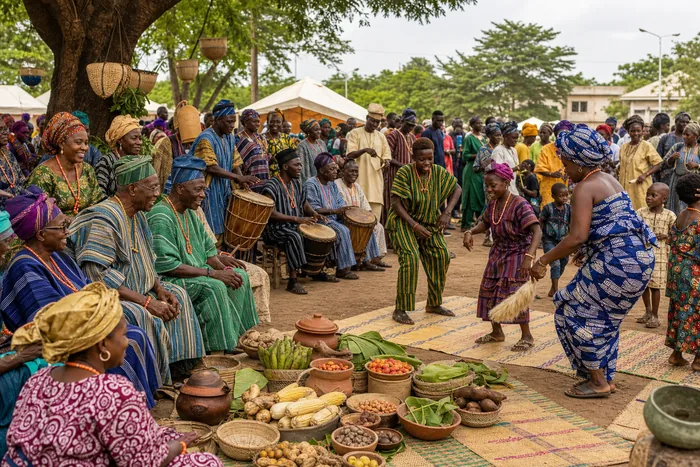
Yewaland gathers around identity, cuisine, youth and community pride
Yewa Festival gives September a strong Ogun State regional anchor, foregrounding Yewa heritage, arts, community bonds and diaspora connection.
The official festival site lists 7–12 September 2026 in Yewaland. The festival is still active at the start of this edition window and closes on 12 September.
The festival helps keep the month from becoming Lagos-only. It spotlights Yewa identity as a regional and cultural community in Ogun State, with tradition, cuisine, medical outreach, youth empowerment, concerts and awards listed by organisers.
Yewaland should be described as a cultural and regional identity, not reduced to one town unless organisers specify a particular venue. The festival’s strength is in community gathering, continuity and shared public pride.
The official page says the festival is open to everyone and lists culture/tradition, medical outreach, youth empowerment, cuisine and competitions, mega concert and awards; detailed daily venues should be checked with organisers.
What To Watch
- Exact town-by-town venue details
- Daily programme updates
- Visitor logistics within Yewaland
- Public guidance around traditional appearances and photography
Abuja gives children the culture-stage spotlight
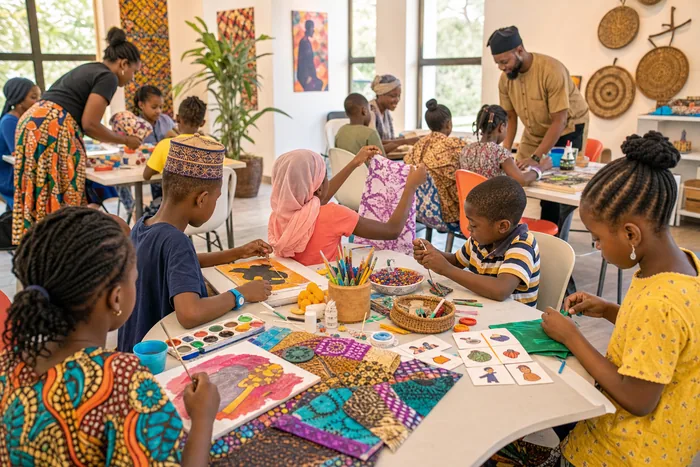
ICCCF 3.0 broadens the month with a family, school and arts-education focus, placing children’s creativity at the centre of cultural participation.
The official site lists the festival for 24–26 September 2026 at NCAC Arts and Craft Village and NTIC Conference Hall in Abuja, with registration information and programme areas published.
Children are not just future audiences; they are culture makers now. The festival’s competitions and workshops cover drawing and painting, indigenous fashion, mother language, spelling bee and cultural performance.
The event connects creativity, language, identity and opportunity through school-age participation, making it a useful counterpoint to adult nightlife and heritage-tourism listings.
The official site lists school registration at ₦50,000 per school and workshop seats at ₦30,000 per student, with registration closing 15 September 2026; availability should be verified after that date.
What To Watch
- Whether walk-in spectators are allowed
- Final school and workshop participation rules
- Safeguarding and image-permission protocols
- Award ceremony and exhibition schedule
Akara gets its Abuja festival moment
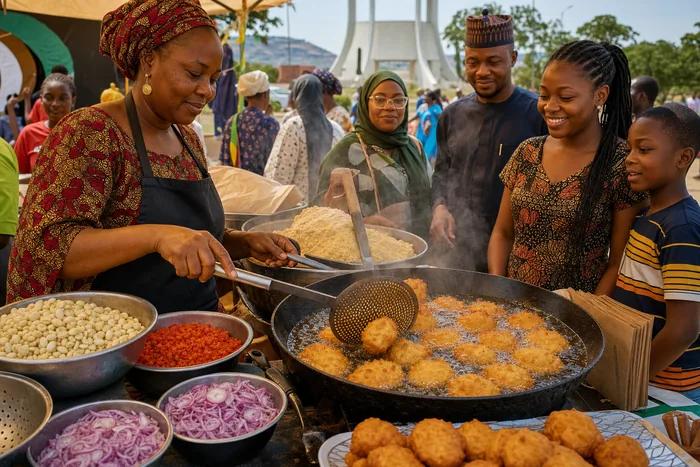
This one-day food and culture event uses akara as an accessible entry point into Nigerian food heritage, everyday memory and marketplace culture.
Visit Abuja lists International Akara Day Festival for 21 September 2026, 10:00 AM to 4:00 PM, at Abuja City Gate, with an Eventbrite link referenced from the listing.
Akara is familiar across many Nigerian homes and streets, with regional variations and strong links to breakfast culture, women’s enterprise and community food economies. Treating it as festival culture gives everyday cuisine its proper respect.
The festival should not frame akara as novelty. It is a widely recognised bean fritter with deep everyday relevance, local technique and business value across Nigerian food life.
Visit Abuja describes food showcases, cooking demonstrations, marketplace, music and fashion; ticketing or access terms should be checked through the linked ticket page or organiser channels.
What To Watch
- Direct organiser confirmation
- Ticketing or free-entry status
- Vendor and demonstration schedule
- Weather and site-access guidance at Abuja City Gate
Surulere hosts a horse-racing weekend with music, fashion and vendors
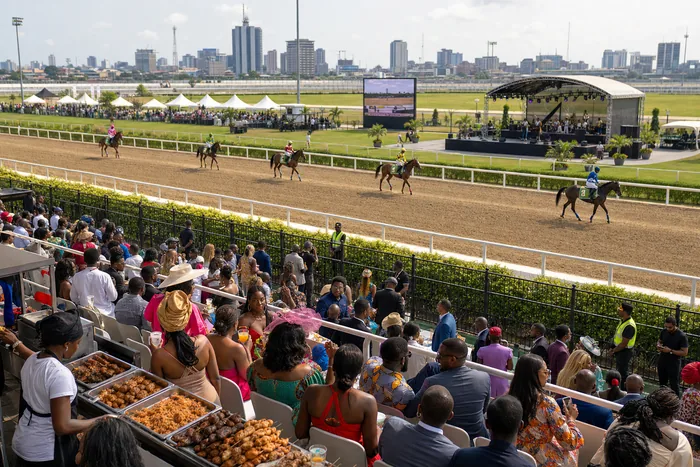
The Lagos Grand Horse Race adds a sport-entertainment lane to September, pairing equestrian spectacle with concerts, fashion, food and cultural vendor activity.
The official event site lists 11–13 September 2026 at the National Stadium, Surulere, with gates open at 09:00 and programme start at 10:00 daily.
It shows how Lagos continues to experiment with hybrid event formats, mixing sport, style, performance and public leisure in one stadium weekend.
This is not a traditional durbar and should not be described as one unless organisers programme that specific context. It is better understood as a contemporary urban horse-racing and entertainment event.
Official gate and programme times are listed, but final ticket categories, line-up and on-day logistics should be confirmed before attendance.
What To Watch
- On-day delivery details for this pilot edition
- Final ticket and seating information
- Concert and fashion line-up confirmations
- Animal-welfare-sensitive coverage and crowd rules
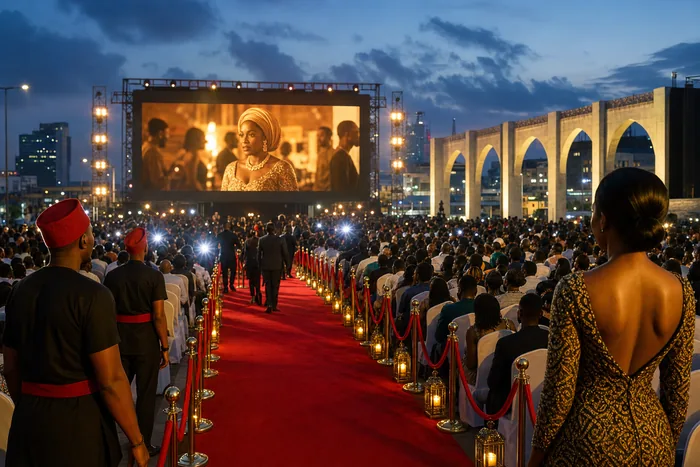
Nollywood aims for a huge public-screening night at TBS
Black Market enters the list as a major Lagos film event built around a public premiere and Guinness World Record attempt, with strong Nollywood and audience-building interest.
The official movie/event site and Rixel Studios ticket page list 26 September 2026, 2:00 PM to 10:00 PM, at Tafawa Balewa Square, Lagos Island. Lagos Television also reports Lagos State support.
The event is culturally notable as a public-screening experiment for Nigerian cinema, celebrity culture and mass audience participation. The film’s market-women angle also makes the setting and audience conversation especially Lagos-coded.
This should be framed as Nollywood public culture and a record attempt, not as an achieved record unless Guinness World Records or reliable post-event confirmation says so.
Rixel ticketing lists General Admission at ₦2,000 and Premium at ₦50,000, with red carpet from 3 PM according to the ticketing copy; entry and transport arrangements should be checked close to the date.
What To Watch
- Guinness World Record verification after the event, if any
- Security, entry gates and transport arrangements at TBS
- Cast, filmmaker and red-carpet schedule
- Post-event confirmation of actual attendance, not organiser targets
Regional Spread
- South West leads the September calendar through Ondo, Osun, Ogun and Lagos, with both heritage and contemporary city culture strongly represented.
- The FCT has a solid September run through children’s arts, akara food heritage and late-month visual art, plus Abuja International Film Festival in October.
- South South representation is lighter in current-month upcoming listings after early-September food activity in Port Harcourt, but Vibe Naija gives Rivers State a strong Independence-weekend lookahead.
- South East is not prominent in the verified September candidates, but October becomes important through Onitsha Ofala in Anambra State.
- Confirmed North West and North East festival listings were not strong enough in this research pass to include; the edition avoids forcing weak entries for artificial balance.
Key Events
-
11–13 September 2026
Lagos Grand Horse Race 2026
A Lagos sport-entertainment weekend at National Stadium, Surulere.
-
14–20 September 2026
Victoria Island Carnival 2026
A maiden VI carnival week with street, vendor, music, fashion and parade elements.
-
16–28 September 2026
Olojo Festival 2026
Ile-Ife’s major heritage season, with central ceremony reported for 26 September and some date-range variation across sources.
-
21 September 2026
International Akara Day Festival
Abuja food culture built around akara, demonstrations and marketplace activity.
-
24–26 September 2026
International Children Creative and Culture Festival 3.0
Children’s art, language, fashion and performance programming in Abuja.
-
26 September 2026
Black Market Movie public premiere attempt
A large Nollywood public-screening event at Tafawa Balewa Square, Lagos.
-
30 August – 26 September 2026
Igogo Festival 2026
Owo’s major royal-heritage festival continues through most of September.
-
1 October 2026
Nigeria Independence Anniversary
The next national public holiday and the doorway into October’s heavier creative-season calendar.
Watchlist
Artmiabo International Art Festival, Abuja — 28 September–1 October 2026
A late-September-to-Independence-week visual-art bridge at FCT Exhibition Pavilion; confirm access, exhibitors and VIP preview terms before making attendance plans.
Vibe Naija 2026, Port Harcourt — 1–3 October 2026
A confirmed Independence-weekend lifestyle festival at Port Harcourt Polo Club, useful for readers planning outside Lagos and Abuja.
Ofala Festival Onitsha 2026 — 16–17 October 2026
One of October’s major royal-cultural festivals and an important South East anchor; public entry, invitation-only areas and media rules should be checked.
Felabration 2026, Lagos — October dates to confirm
The official festival is held every October, but exact 2026 dates were not confirmed in the captured official source; wait for organiser confirmation before locking plans.
Design Week Lagos 2026 — 18–25 October 2026
A major design and creative-industries platform with National Theatre, Iganmu listed as the main hub; detailed schedule is still one to watch.
23rd Abuja International Film Festival — 20–24 October 2026
A strong Abuja film-industry moment with screenings, panels, masterclasses and awards; final programme and passes should be checked.
Lagos Fashion Week 2026 — 28 October–1 November 2026
A high-priority fashion calendar marker, but venue, designer lineup and full official schedule still need confirmation.
Related Reading
- Yoruba royal and sacred heritage festivals
- Nigerian food culture as living heritage
- Lagos creative economy and public events
- October culture calendar: film, fashion, design and music
- Visitor etiquette for palace and sacred festivals
Sources
- 2026 IGOGO FESTIVAL – CONSOLIDATED TIME TABLE - Igogo Festival, Crawled September 2026
- Festivals - Federal Ministry of Information and National Orientation, Crawled September 2026
- Olojo Festival 2026: Organisers Unveil Full Timeline of Activities - Ife City Blog, 26 August 2026
- HCBBO Foundation Associated with Olojo Festival 2026 - HCBBO Foundation, August 2026
- Victoria Island Carnival - VI Carnival, Crawled September 2026
- Lagos reaffirms support for Victoria Island Carnival - Lagos Television, September 2026
- Downtown Promotions, Lagos State unveil Victoria Island carnival - BusinessDay NG, 7 June 2026
- Carnival Village Vendor Applications Now Open - VI Carnival, 16 July 2026
- Yewa Festival Celebration 2026 - Yewa Festival, Crawled September 2026
- ICCCF 3.0 | International Children Creative and Culture Festival - International Children Creative and Culture Festival, Crawled September 2026
- International Akara Day Festival - Visit Abuja, Crawled September 2026
- Lagos Grand Horse Race 2026 | Racing, Culture & Music - Lagos Grand Horse Race, Crawled September 2026
- Black Market Movie — 50,000 Nigerians. One Night. Sept 26, 2026 - Black Market Movie, Crawled September 2026
- Black Market Movie - Rixel Studios ticketing page, Crawled September 2026
- Lagos backs Black Market premiere targeting 50,000 attendees - Lagos Television, September 2026
- Events from September 21 – November 4 - Visit Abuja, Crawled September 2026
- Vibe Naija 2026 | Port Harcourt’s 3-Day Festival | 1–3 October - Vibe Naija / Inner Circle Events, Crawled September 2026
- The Ofala - Ofala Festival, Crawled September 2026
- Ofala Festival - National Institute for Cultural Orientation, Crawled September 2026
- Felabration - Felabration, Crawled September 2026
- Felabration: dates and honest timing - ReasonToGo, Crawled September 2026
- Design Week Lagos - Design Week Lagos, Crawled September 2026
- FAQ – Design Week Lagos - Design Week Lagos, Crawled September 2026
- Program - Abuja International Film Festival, Crawled August/September 2026
- Save The Date Lagos Fashion Week 2026 28th of October - 1st of November - Lagos Fashion Week on LinkedIn, Crawled September 2026
- Lagos Fashion Week 2026 - Fashion Weeks Africa, Published March 2026 / crawled September 2026
- Nigeria Public Holidays for 2026 - High Commission of the Federal Republic of Nigeria, Ottawa, Crawled September 2026
- FG declares Tuesday public holiday as nation marks Eid ul Mawlid - Ministry of Interior, August 2026
More in Nigeria Festivals
More Summaries
- Top Sports Videos
- Top Music Videos
- Top Entertainment Videos
- Nigeria Ethnic Origins Source-backed Visual Stories explaining Nigerian ethnic groups, origins, migration accounts,...
- Nigeria Sports Stars Timely analysis articles about Nigerian sports stars across all sports, with special depth for...
- Geopolitical Conflict Deep Dive Source-backed deep dives into major geopolitical conflict developments, explaining what happened,...
- News Summaries Nigeria News Summaries is your go-to digest for the latest headlines from Nigeria and beyond. We...